Skilled Auto Glass Restoration: Recover Your Car's Safety & Visibility Now
Expert auto glass repair serves a vital function in maintaining vehicle safety and visibility. Many drivers ignore minor cracks and chips, failing to understand the potential risks involved. Professional technicians employ specialized tools to verify repairs meet safety standards. Understanding the importance of timely intervention can stop further damage and costly replacements. What are the key indicators that indicate the need for professional help?
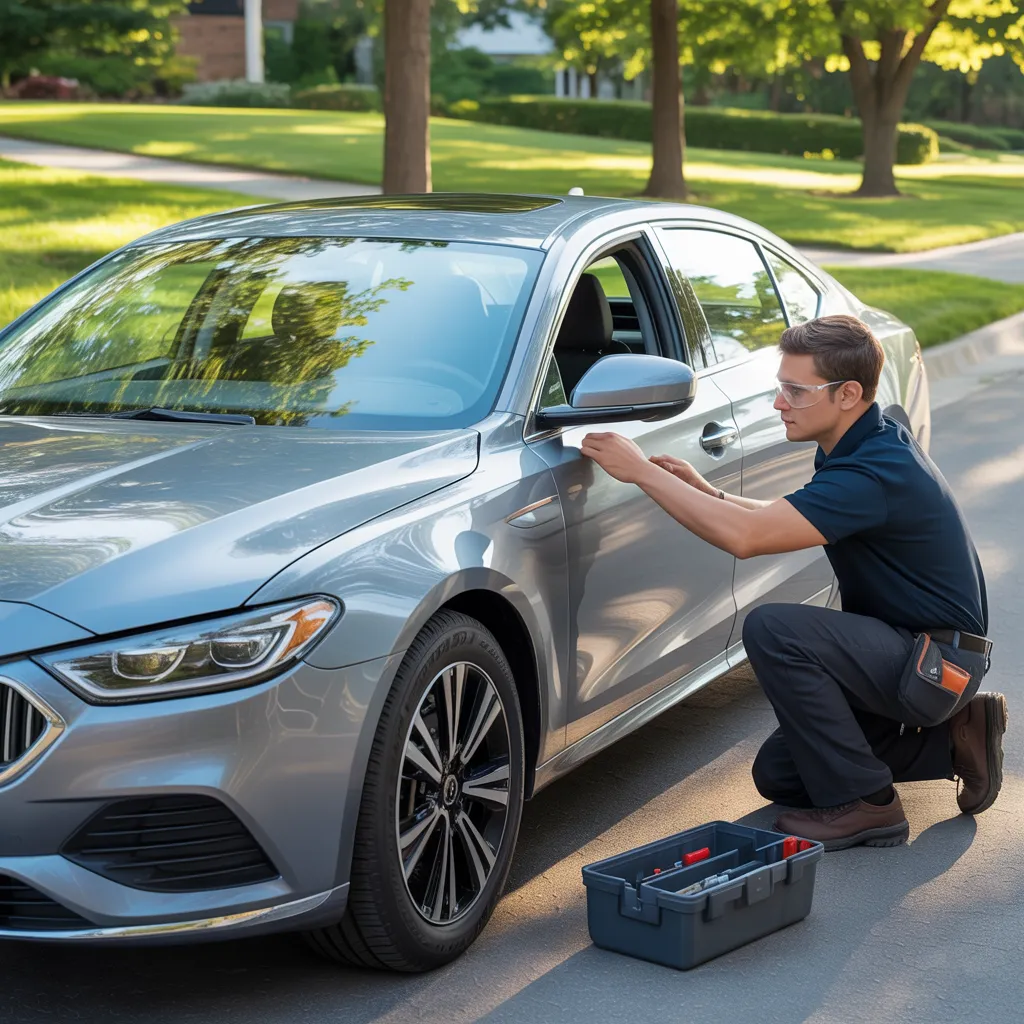
Recognizing Indicators of Damage: When to Request Auto Glass Repair
What are the signs that auto glass repair is needed? It's important for car owners to thoroughly check their windshields for any visible damage like chips, cracks, or substantial scratches. Both the extent and placement of the damage are essential factors; cracks exceeding three inches in length or positioned in the driver's field of vision generally require prompt attention. Moreover, if the damage has progressed or exhibits distortion characteristics, seeking professional advice might be appropriate. Climate conditions can aggravate present damage, necessitating a rapid inspection. Additionally, when damage impairs vehicle visibility, it creates a safety hazard, signaling the need for urgent repair. Periodic maintenance evaluations can aid in recognizing these concerns promptly. Finally, emphasizing windshield condition not only improves safety but also maintains the vehicle's structural soundness.
The Risks of Ignoring Windshield Cracks and Chips
Overlooking windshield chips and cracks can lead to major safety hazards make a move and pricey repairs. These seemingly minor defects can undermine the structural integrity of the windshield, making it less effective in protecting occupants during an accident. A cracked windshield can also impair the driver's visibility, elevating the risk of collisions.
Moreover, temperature fluctuations and vibrations from driving can aggravate these damages, prompting them to spread swiftly. This can lead to the need for a complete windshield replacement, which is much costlier than a straightforward repair.
Insurance providers frequently cover the cost of repairs, making it financially prudent to address these issues without delay. Neglecting to repair windshield damage not only jeopardizes the driver and passengers but also other road users. Ultimately, the risks associated with ignoring windshield cracks and chips far outweigh the inconvenience of seeking timely repair services. Prioritizing safety is crucial for any vehicle owner.
Perks of Expert Auto Glass Repair Offerings
Skilled auto glass repair services deliver multiple key advantages that boost vehicle safety. By ensuring optimal visibility and adherence to safety standards, these services provide peace of mind for drivers. In addition, they preserve both time and costs, positioning them as a logical choice for auto maintenance.
Strengthened Safety Standards
The condition of auto glass is essential to vehicle safety, making professional repair services essential for maintaining enhanced safety standards. Faulty or poorly installed glass may damage the structural integrity of a vehicle, increasing the risk of injury during accidents. Professional technicians are trained to comply with industry standards for repair and replacement, ensuring that the glass meets safety regulations. They use high-quality materials and techniques to restore durability and strength, which can prevent glass shattering upon impact. Additionally, proper sealing prevents water and debris intrusion, which can cause further damage and reduce safety. Overall, utilizing expert auto glass repair services ensures that vehicles remain safe and in accordance with safety standards, protecting both drivers and passengers.
Improved Visual Precision
Maintaining the quality of auto glass not only boosts safety but also significantly improves visibility clarity for those in the vehicle. Professional auto glass repair services ensure that any damage, imperfections, or irregularities are expertly addressed, restoring the glass to its initial state. This restoration process eliminates obstructions that can compromise a driver's view, thus reducing the risk of accidents due to impaired vision. Improved clarity provides better perception of hazards, roadway conditions, and signage. Moreover, expert repairs prevent the progression of damage, which could more severely affect visibility. In summary, opting for professional auto glass repair not only safeguards the vehicle but also provides a clearer, safer driving experience for all occupants.
Cost and Time Efficiency
Opting for professional auto glass repair services frequently becomes a time-saving and cost-effective choice for vehicle owners. Professionals bring the expertise and equipment to complete repairs efficiently, decreasing downtime. This rapid service lessens the disruption to daily activities, enabling drivers to return to the road quickly. Moreover, employing professional services can stop more significant damage, which may demand costly replacements. By addressing minor issues promptly, vehicle owners can achieve substantial savings in the long run. Furthermore, many auto glass repair companies include warranties or guarantees, ensuring quality workmanship and added peace of mind. Overall, professional auto glass repair not only enhances safety but also encourages financial prudence, making it a smart investment for vehicle maintenance.
Should You Choose DIY or Professional Auto Glass Repair?
When weighing auto glass repair, vehicle owners often weigh the cost of DIY solutions against the advantages of hiring professionals. Safety and quality are critical factors in this decision, as incorrect repairs can lead to further damage or hazards on the road. Thus, it is vital to consider both options carefully before making a selection.
Pricing Factors
The decision between DIY auto glass repair and hiring a professional often copyrights on cost considerations. Self-performed repairs can look more cost-effective, offering decreased preliminary costs for materials and tools. Nevertheless, it's crucial to consider prospective costs including extra supplies, potential errors, and the time devoted to mastering the repair technique. In contrast, professional services generally carry a steeper upfront cost, frequently representing proficiency, dedicated tools, and guarantees. While the DIY approach may save money in some cases, the risk of subpar results could lead to higher costs down the line. In the end, people need to balance their finances against the possibility of superior results provided by experts in auto glass repair.
Quality and Safety
Financial factors hold considerable importance in the decision-making process related to auto glass repair; however, safety and quality stand as essential considerations that cannot be dismissed. While DIY repairs may seem budget-friendly, they often lack the precision and expertise that professionals provide. Improperly performed repairs can compromise the structural integrity of the vehicle, causing potential safety hazards. Professional auto glass repair technicians implement specialized tools and materials, ensuring that the installation conforms to industry standards. In addition, they present warranties that protect the consumer from future complications. Eventually, opting for professional services not only enhances the vehicle's safety but also guarantees a higher quality of work, delivering better visibility and peace of mind for drivers.
What Can You Expect Throughout the Auto Glass Repair Process?
What is involved in navigating the auto glass repair process? To begin, the vehicle owner should schedule an appointment with a reputable auto glass repair service. Upon arrival, a technician will evaluate the damage, determining if a repair or replacement is required. The assessment normally involves evaluating the size and location of the crack or chip.
Following the decision, the technician will prepare the work area by cleaning and securing the vehicle. During the repair procedure, specialized resin is applied to the damaged area, which is then cured using ultraviolet light. This process both restores the structural integrity of the glass and enhances visibility.
After completing the repair, the technician will tidy up the work area and supply information on any needed protective steps. On the whole, the process is effective, aiming to restore the vehicle's structural integrity and visibility while minimizing disruption for the owner.
Recommendations for After-Repair Windshield Protection
What measures should be taken to maintain a recently repaired windshield? Post-repair, following designated care procedures is critical for your windshield. First and foremost, wait at least one hour before driving to ensure the adhesive cures adequately. Second, don't use your windshield wipers for the initial 24-hour period, as doing so may interfere with the repair. It is also advisable to keep the area around the repair clean and free from debris.
Additionally, you should refrain from extreme temperature shifts during the first few days. This involves avoiding car washes and exposing the windshield to severe hot or cold conditions. In addition, parking in shaded areas can help maintain a stable environment for the repair. By sticking to these procedures, vehicle owners can improve the lifespan of their windshield repair, making sure it remains functional for an extended period.
Why a Clear Windshield Matters for Your Safety
A clear windshield plays a vital role in ensuring driver and passenger safety on the road. Proper visibility is critical to safe driving, as it permits drivers to detect pedestrians, obstacles, and road signs quickly. Any blockage, such as cracks or dirt, can significantly compromise a driver's ability to respond promptly, heightening the likelihood of crashes. Additionally, a damaged windshield can weaken the vehicle's structural integrity during a collision, compromising airbag deployment and increasing injury risks.
When facing harsh weather like rain or fog, a clear windshield is crucial for maintaining visibility and control. Regular maintenance, such as cleaning and timely repairs, makes certain that the windshield remains devoid of obstructions. A well-maintained windshield serves to protect occupants but also enhances the overall driving experience, promoting a safer environment on the road. Focusing on windshield clarity is a crucial step toward securing safety for both drivers and passengers alike.
Common Questions
How Long Will Auto Glass Repair Generally Take?
Repairing auto glass usually takes about one to two hours, depending on the extent of the damage and the type of vehicle. Variables including technician availability and weather conditions can also affect the repair time.
Will Auto Glass Repair Costs Be Covered By My Insurance?
Coverage for auto glass repair generally depends on the individual policy and insurer. Numerous insurers include glass repair in their comprehensive coverage, but it's best for individuals to examine their policy details for verification.
Is My Vehicle Ready to Drive Right After the Repair?
Generally, you can drive your vehicle immediately after auto glass repair has been completed. That said, you should follow the specific directions provided by the technician regarding drying time and any precautions to guarantee proper bonding and maximum safety.
What Categories of Damage Can Be Repaired?
Standard types of damage that can be repaired include chips, cracks up to a specific length, and star breaks in the windshield. Thorough assessment identifies the feasibility of repair versus replacement for optimal safety and visibility.
Standard forms of damage that can be repaired include chips, cracks up to a specific length, and star breaks in the windshield. Proper inspection determines the feasibility of repair versus replacement for optimal safety and visibility.
Standard types of damage that can be fixed include chips, cracks up to a specific length, and star breaks in the windshield. Thorough assessment determines the feasibility of repair versus replacement for optimal safety and visibility.
Typical types of damage that can be repaired include chips, cracks up to a specific length, and star breaks in the windshield. Proper assessment identifies the practicality of repair versus replacement for optimal safety and visibility.
What Steps Can I Take to Prevent Future Windshield Damage?
To stop future windshield damage, it's important to regularly check the glass for chips, refrain from driving behind large vehicles that may kick up debris, park in protected areas, and use a windshield sun protector to reduce heat exposure.